Performance & Athletic Conditioning
Cross-Training for Improved Athletic Performance
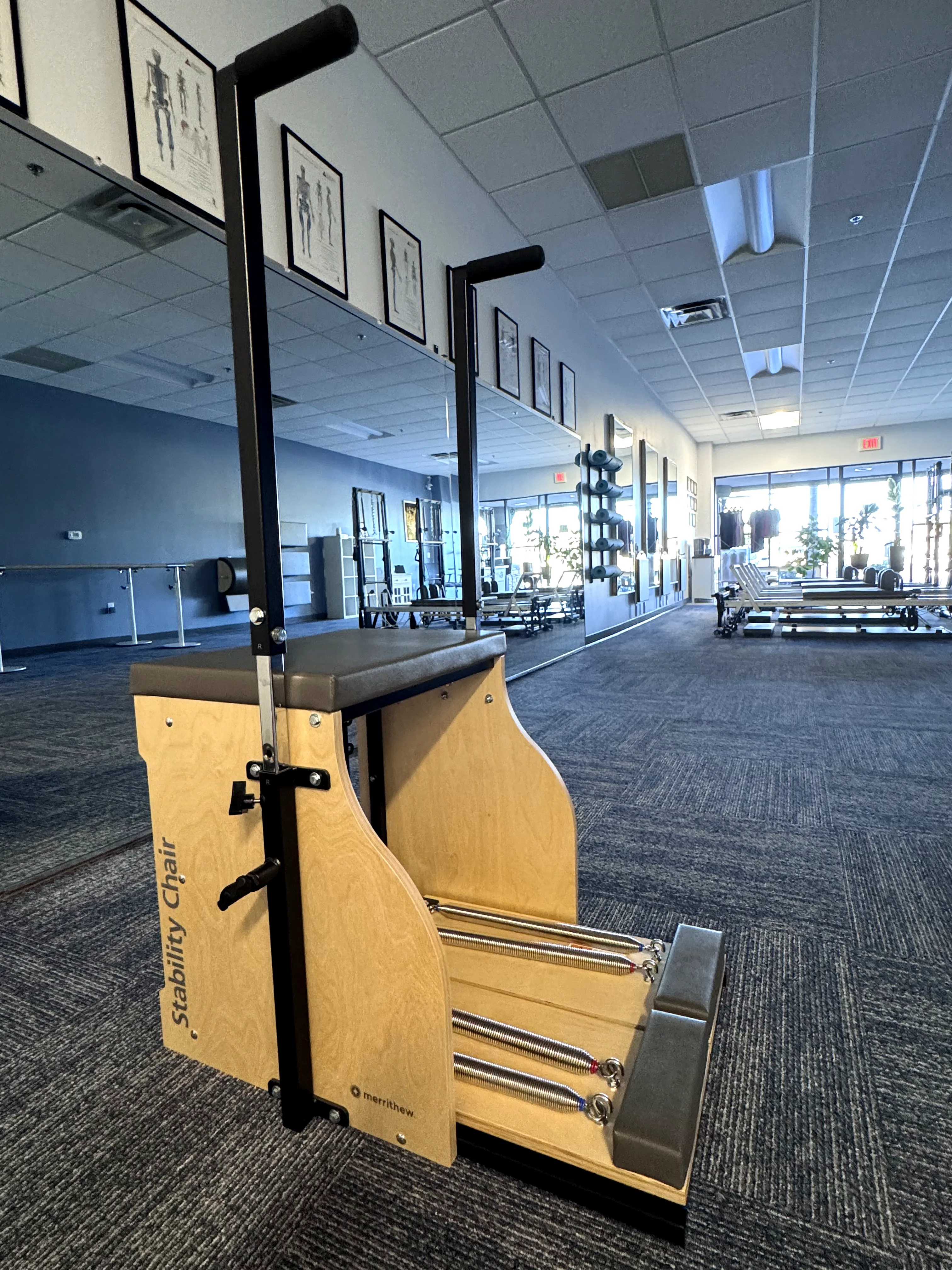
Strength alone doesn't make a complete athlete. Discover how sport-specific Pilates programming builds the agility, endurance, and movement efficiency that separates good athletes from exceptional ones.
Every athlete knows the pressure to perform — not just consistently, but at maximum capacity when it counts. The pursuit of that edge drives training decisions, recovery choices, and everything in between. Increasingly, elite and recreational athletes alike are turning to Pilates not as a substitute for their primary training, but as a precision tool that makes everything else work better.
Why Athletes Need More Than Strength
Weight training builds muscle mass and raw strength — and that matters. But athletic performance demands much more than the ability to lift heavy. Agility, endurance, flexibility, and the ability to move with speed and precision under fatigue are equally critical, and they require a different kind of training approach.
This is where Pilates becomes a genuine competitive advantage.
Unlike traditional gym training, Pilates programming can be tailored specifically to the demands of a sport. At Design 2 Move Pilates, sport-specific programming is built around how your body actually moves in competition — not a generic fitness template.
A few examples of what that looks like in practice:
These aren't variations on the same program. Each is built around the specific movement patterns, joint demands, and performance goals of the sport.
The Science Behind the Edge
Most gym-based training emphasizes concentric muscle activation — the shortening of a muscle as it pulls bones closer together. Think of a bicep curl at its peak, or a squat on the way up. This type of activation is valuable, but it's only one dimension of how muscles perform.
Pilates training introduces two additional modes that are underutilized in most athletic programs:
Eccentric activation occurs when a muscle lengthens while maintaining tension — the controlled lowering phase of a movement. Isometric activation occurs when a muscle holds tension without changing length at all. Both of these activation types are where muscle velocity is most powerfully developed.
Velocity — the combination of speed and precision — is the foundation of most athletic performance. A pitcher's release. A sprinter's push-off. A tennis player's follow-through. All of these demand not just strength, but the ability to produce force rapidly and with control. Eccentric and isometric training, delivered through a sport-specific Pilates program, directly develops this capacity in ways that conventional training alone cannot.
Performance That Lasts
Cross-training with Pilates isn't about adding volume to an already demanding schedule. It's about training smarter — filling the gaps that strength and conditioning programs leave behind, and building the kind of movement efficiency that extends athletic careers and reduces injury along the way.
Whether you're a competitive athlete or someone who takes their sport seriously, Design 2 Move Pilates can build a program around your specific performance goals. Contact us today to find out what sport-specific Pilates can do for your game.