Nervous System & Stress Regulation
How Your Nervous System Impacts Your Health
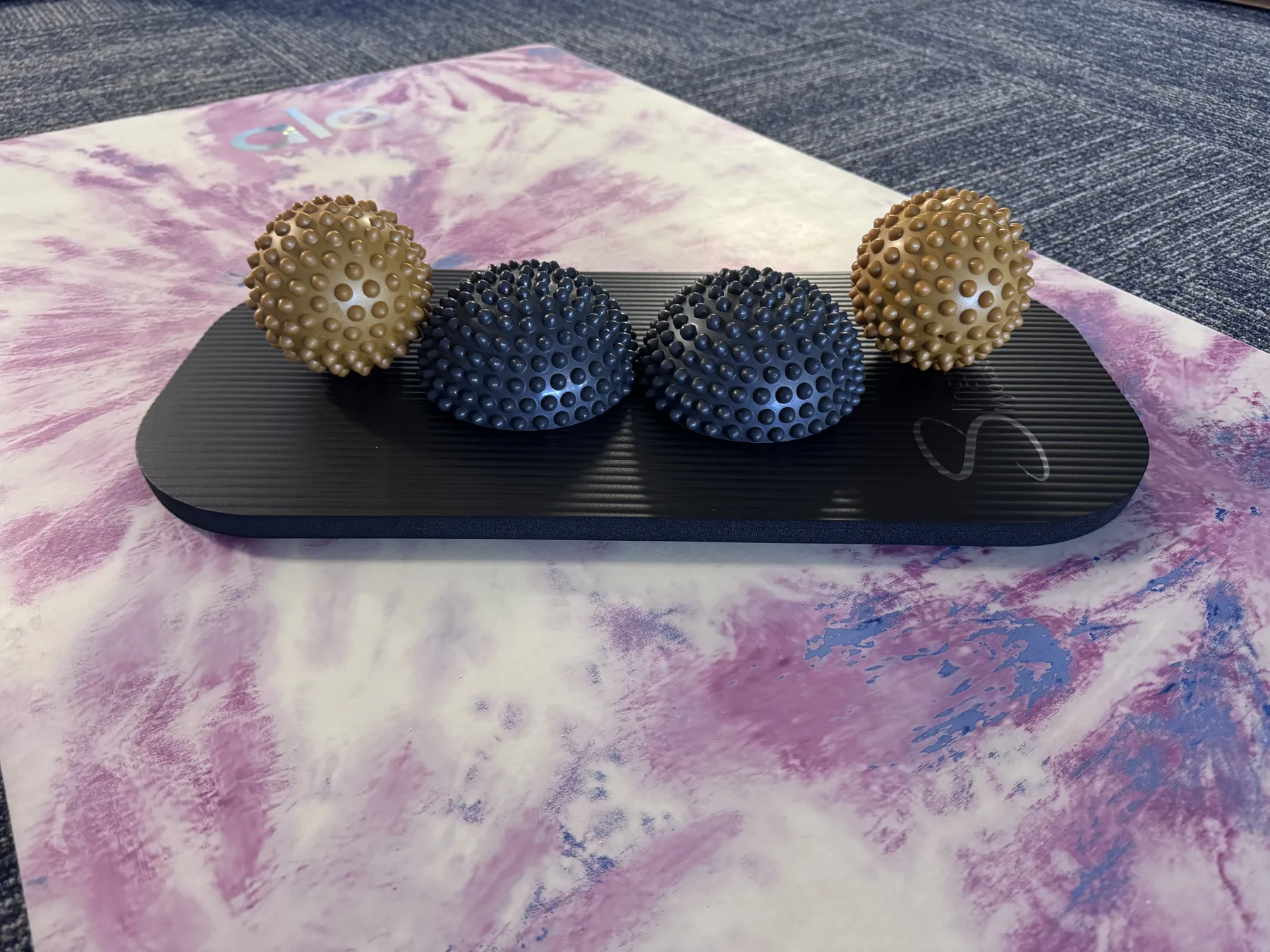
Your nervous system does far more than send signals — it shapes how you move, how you feel, and how you heal. Understanding it is the first step to working with your body instead of against it.
Most people think of the nervous system as the thing that makes your hand pull away from a hot stove. But its role in your health goes far deeper than reflex responses. Your nervous system is the primary communication network of your entire body — and the state it's in affects everything from how you move and digest food, to how you process emotions and recover from injury.
Your Body Talks to Your Brain More Than You Think
The nervous system continuously relays information between the brain and every other part of the body. What's striking — and often surprising — is the direction that information primarily flows.
According to Polyvagal Theory, approximately 80% of the signals traveling along the vagus nerve move from the body upward to the brain, not the other way around. This means your brain is largely interpreting and responding to what your body is telling it — not simply issuing commands downward. Your posture, your breath, your movement patterns, and even the tension you hold in your muscles are constantly informing how your brain perceives safety, threat, and everything in between.
This is why the body is never just a vehicle for the mind. It's an active participant in shaping your mental and emotional experience.
What the Nervous System Actually Controls
The reach of the nervous system extends across virtually every function of the body. On any given moment it is governing voluntary movement — how you reach, walk, balance, and coordinate — as well as the involuntary functions that sustain life without any conscious input: breathing, heart rate, digestion, and hormonal regulation.
It also plays a central role in emotional processing and cognitive clarity. When the nervous system is dysregulated — stuck in a state of chronic stress or hypervigilance — thinking becomes less clear, emotional responses become harder to manage, and physical symptoms often follow. When it is regulated, the opposite is true.
Two Systems Working Together
The nervous system is organized into two major divisions, each with a distinct role.
The Central Nervous System (CNS) consists of the brain and spinal cord. It processes incoming information and coordinates thoughts, emotions, and movement. One important and often overlooked detail: the spinal cord is surrounded by dense nerve activity, which means that spinal movement — the kind emphasized throughout Pilates — can trigger both physical and emotional responses. This is part of why mindful movement practices have effects that go well beyond the muscular.
The Peripheral Nervous System (PNS) branches outward from the spinal cord to the organs and limbs. It divides into two subsystems. The somatic nervous system governs voluntary movement — the conscious decisions to move your body in space. The autonomic nervous system manages the involuntary processes: heartbeat, breathing rhythm, digestion, and the regulation of stress responses.
Within the autonomic system lives the familiar fight-or-flight response — but also its counterpart, the rest-and-digest state that allows recovery, repair, and genuine restoration.
Why Movement Is One of the Most Powerful Tools You Have
Exercise and intentional movement do something measurable to the nervous system. They stimulate the release of endorphins, which improve mood and reduce the perception of pain. They enhance brain function and reduce the neurological load of chronic stress. And when movement is practiced with attention to breath and body awareness — as it is in Pilates — it actively supports the kind of nervous system regulation that most people are desperately lacking.
This isn't motivational language. It's physiology.
At Design 2 Move Pilates, nervous system regulation is woven into the foundation of how we approach movement. Whether you're recovering from injury, managing chronic pain, or navigating the stress of daily life, caring for your nervous system through intentional, somatic-informed movement is one of the most powerful investments you can make in your overall health.
Contact us today to learn how our programming can support your nervous system — and everything it governs.