Studio Method & Philosophy
Pilates: Classical, Contemporary, and Fusion
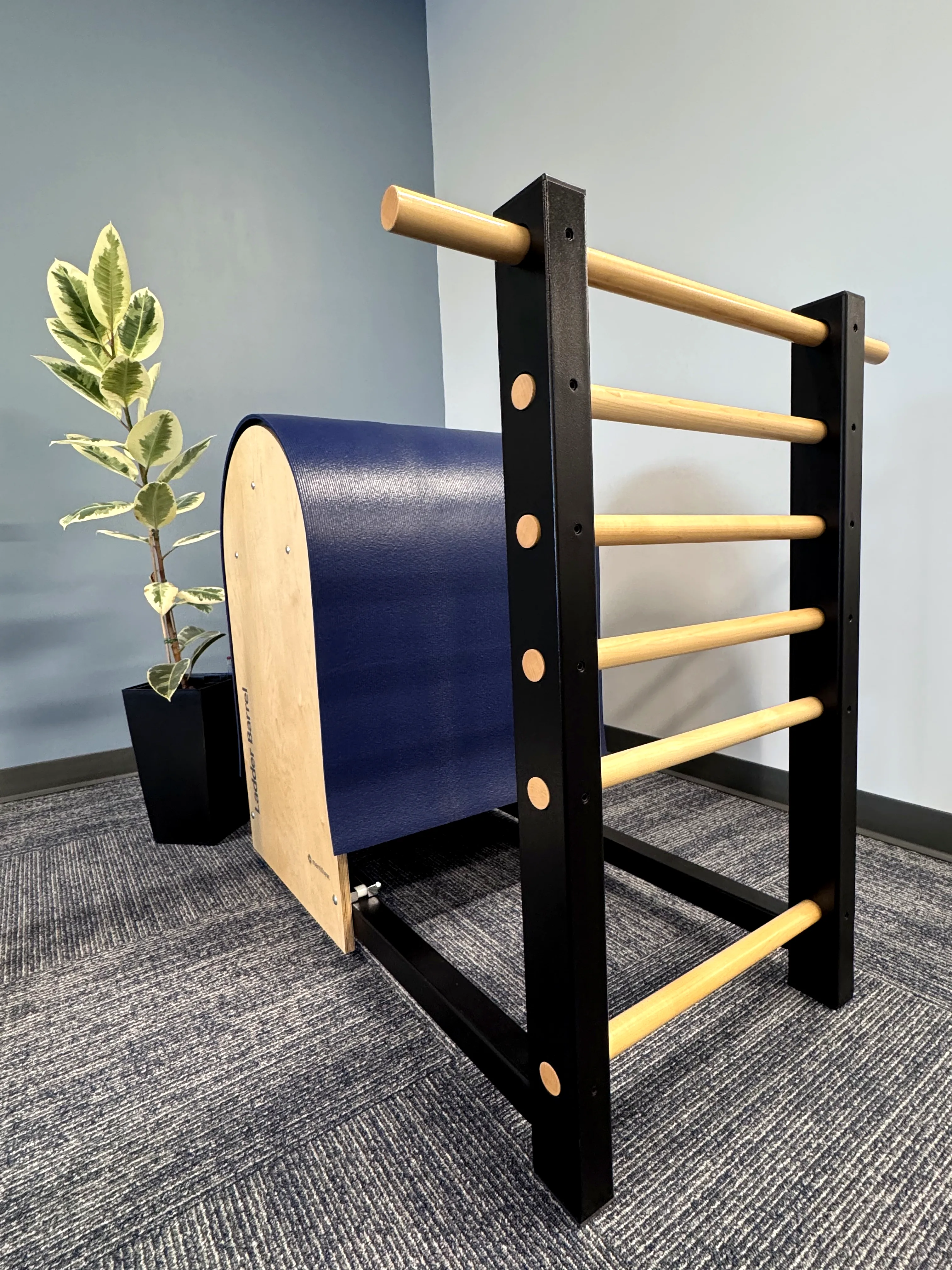
Not all Pilates is the same. Understanding the difference between Classical, Contemporary, and Fusion approaches helps you choose the right fit for your body, your goals, and where you are in your movement journey.
If you've spent any time exploring Pilates, you've likely noticed that studios, instructors, and classes can feel remarkably different from one another — even when they're using the same equipment. That's because Pilates isn't a single, uniform method. It has evolved over nearly a century into distinct approaches, each with its own philosophy, techniques, and ideal audience. Understanding those differences can help you make a more informed decision about where to invest your time and energy.
Classical Pilates: The Original Method
Classical Pilates is the most direct expression of the work developed by Joseph Hubertus Pilates, who called his method Contrology. He developed it over decades, working primarily with dancers who sought to support their performance or recover from injury. Those early students became the first generation of Pilates teachers — the elders of the Pilates world — and they carried the method forward largely as Joseph taught it.
Classical Pilates preserves the original flow and sequencing of the work, with minimal modification. The apparatus used in Classical studios often mirrors the equipment Joseph Pilates designed himself nearly a century ago. Because the method was developed with and refined by professional dancers — people who were already highly active, mobile, and body-aware — the Classical approach assumes a certain baseline of movement capacity and tends to move at a pace that reflects that origin.
For those with a strong movement background or a deep interest in Pilates as a historical practice, Classical training offers a profound and disciplined foundation.
Contemporary Pilates: Movement for Everyone
As Pilates spread beyond the dance world and into the broader population, something became clear: the Classical approach required significant adaptation to serve bodies that had never trained like dancers. This realization gave rise to Contemporary Pilates — and the influence of physical therapy and rehabilitation science on this evolution has been enormous.
Contemporary Pilates is shaped by biomechanics, postural assessment, and an understanding of how modern sedentary lifestyles affect the body. Spine neutral alignment, joint mechanics, and individual anatomical differences become central reference points for every exercise. Instructors in this tradition rely heavily on hands-on adjustment and precise anatomical cueing to guide clients through movement safely and effectively.
This is the approach that made Pilates genuinely accessible to the general population — people recovering from injury or surgery, managing chronic pain, navigating postural dysfunction, or simply starting their movement practice from scratch. At Design 2 Move Pilates, our Clinical Pilates programming is grounded in this Contemporary tradition, combining rehabilitation science with individualized assessment to create programs that meet each client exactly where they are.
Fusion Pilates: Fitness-Forward and Dynamic
As Pilates grew in popularity, it began to attract the broader fitness community — and with that came a new hybrid approach. Fusion Pilates blends the Pilates apparatus, particularly the Reformer, with elements drawn from conventional gym training: dumbbells, BOSU balls, TRX straps, and other fitness tools are incorporated into programming alongside traditional Pilates exercises.
The result is a high-energy, dynamic class experience that appeals strongly to fitness enthusiasts looking for a challenging, varied workout. Fusion classes are typically larger — often ten or more Reformers in a single session — and the emphasis is on intensity and movement variety rather than individualized alignment or rehabilitation. Hands-on instructor adjustment is minimal or absent in this format.
Fusion Pilates serves a real purpose for active, healthy individuals who want a fun and demanding group workout. It is not, however, the right environment for clients whose primary goals are rehabilitation, injury prevention, or precise movement correction.
Which Approach Is Right for You?
The honest answer is that it depends on where you are and what you need.
If you're recovering from injury or surgery, managing chronic pain, or working through a specific physical limitation — Contemporary or Clinical Pilates gives you the individualized attention and evidence-based programming your body requires.
If you're a movement enthusiast with a solid physical foundation and a deep curiosity about Pilates as a discipline — Classical training offers something rare and rigorous.
If you're generally healthy, enjoy high-energy group classes, and want Pilates as part of a broader fitness routine — Fusion may be a great fit.
At Design 2 Move Pilates, we specialize in Contemporary and Clinical Pilates — because our commitment is to programming that is precise, personalized, and built around the specific needs of your body. If you're not sure where to start, we'd love to help you figure it out. Contact us today.