Injury Rehabilitation
Returning to Exercise After Injury
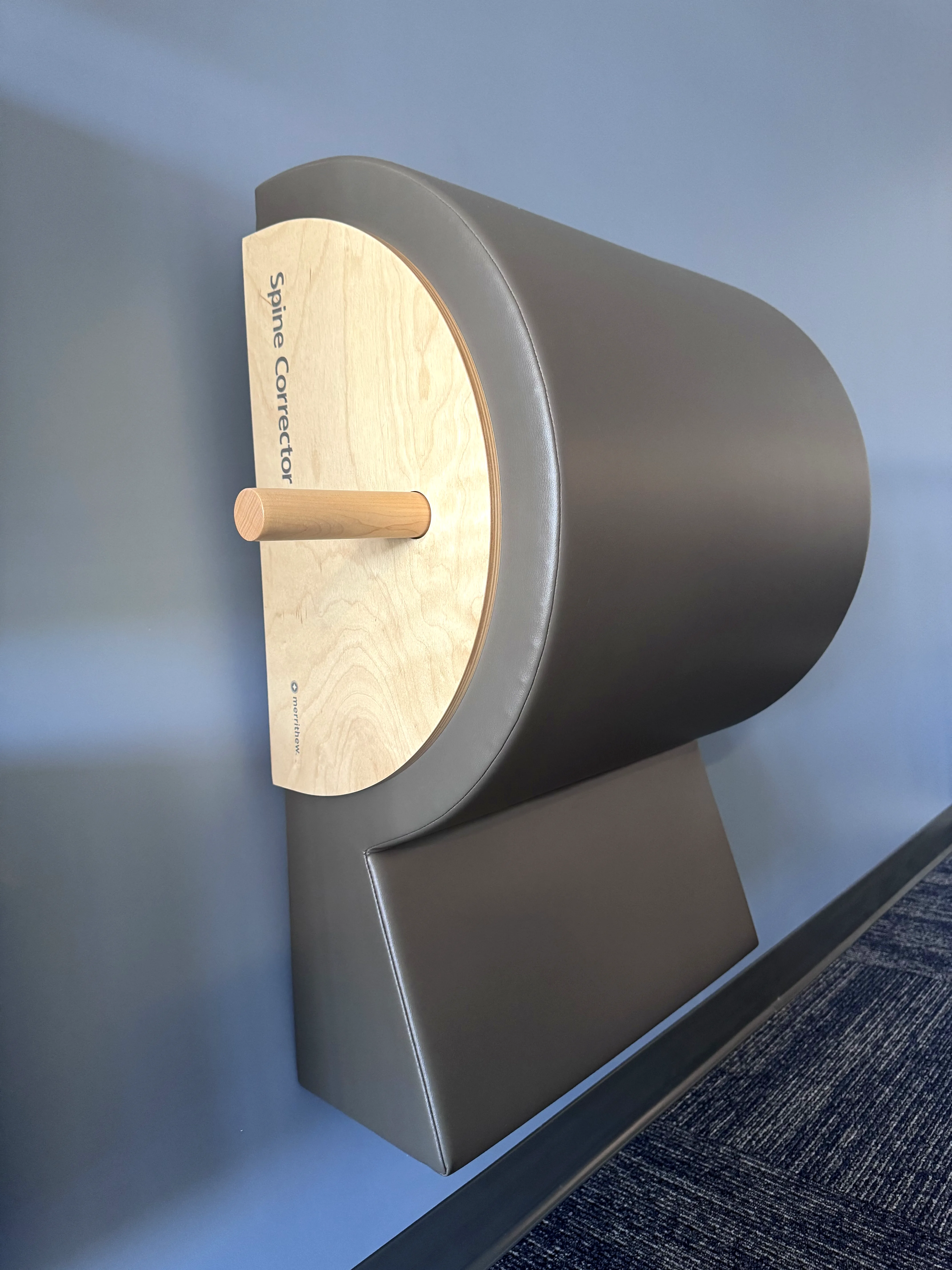
Injury changes more than how your body moves — it changes your relationship with movement itself. Learn why the brain's protective response is often the biggest barrier to recovery, and how the right approach can help you rebuild trust in your body.
When you experience an injury, something happens that goes beyond the physical. Your body changes, and so does the way your brain understands movement. For anyone returning to exercise after an injury, this is the part that rarely gets talked about — and it's often the reason recovery stalls.
Injury Changes Your Relationship With Movement
Most people assume that once the physical damage heals, getting back to exercise is simply a matter of motivation. But the hesitation many people feel isn't weakness or fear of hard work. It's the brain doing exactly what it's designed to do: protect you.
After an injury, the nervous system learns to associate certain movements with danger. The brain rehearses the story of the injury, replaying it as a way of preventing it from happening again. This shows up as overthinking simple exercises, second-guessing every step, or tensing up before movement even begins. What looks like avoidance is actually the brain running a constant risk calculation — scanning for threat before allowing the body to move freely.
This is one of the primary reasons people avoid exercise after injury. Movement itself begins to feel like a trigger, even when the tissue has healed.
The Real Work of Recovery
Physical healing and neurological recovery are two different processes, and both need to happen for a full return to movement.
The nervous system recovers not through willpower, but through experience. Specifically, through repeated safe experiences of movement that gradually teach the brain that the body can be trusted again. This is where a thoughtful, progressive program makes all the difference.
At Design 2 Move Pilates, recovery programming incorporates somatic exercises — movement approaches that focus on nervous system regulation, not just physical output. Rather than pushing through discomfort, the goal is to create conditions where the brain can release its hypervigilant grip and allow the body to move without bracing for danger.
As long as the brain is in protective mode, any exercise — no matter how appropriate — can feel counterproductive. The nervous system needs to experience safety before it can allow progress.
Recovery Is Not a Straight Line
One of the most important things to understand when returning to exercise after injury is that recovery is not linear. There will be good days and harder days. Progress may look like two steps forward and one step back. This is normal, and it doesn't mean something is wrong.
What matters most is that each session is intentional — designed around where your nervous system actually is, not where you think it should be. The body heals on its own timeline, and respecting that timeline is not a limitation. It's the foundation of sustainable recovery.
If you're navigating a return to movement after injury, surgery, or chronic pain, Clinical Pilates at Design 2 Move Pilates offers a path that honors both the physical and neurological dimensions of recovery. Contact us today to learn how we can build a program around your body and your goals.